Agricultural Stone Crushers: Robust Solutions for Rocky Soils
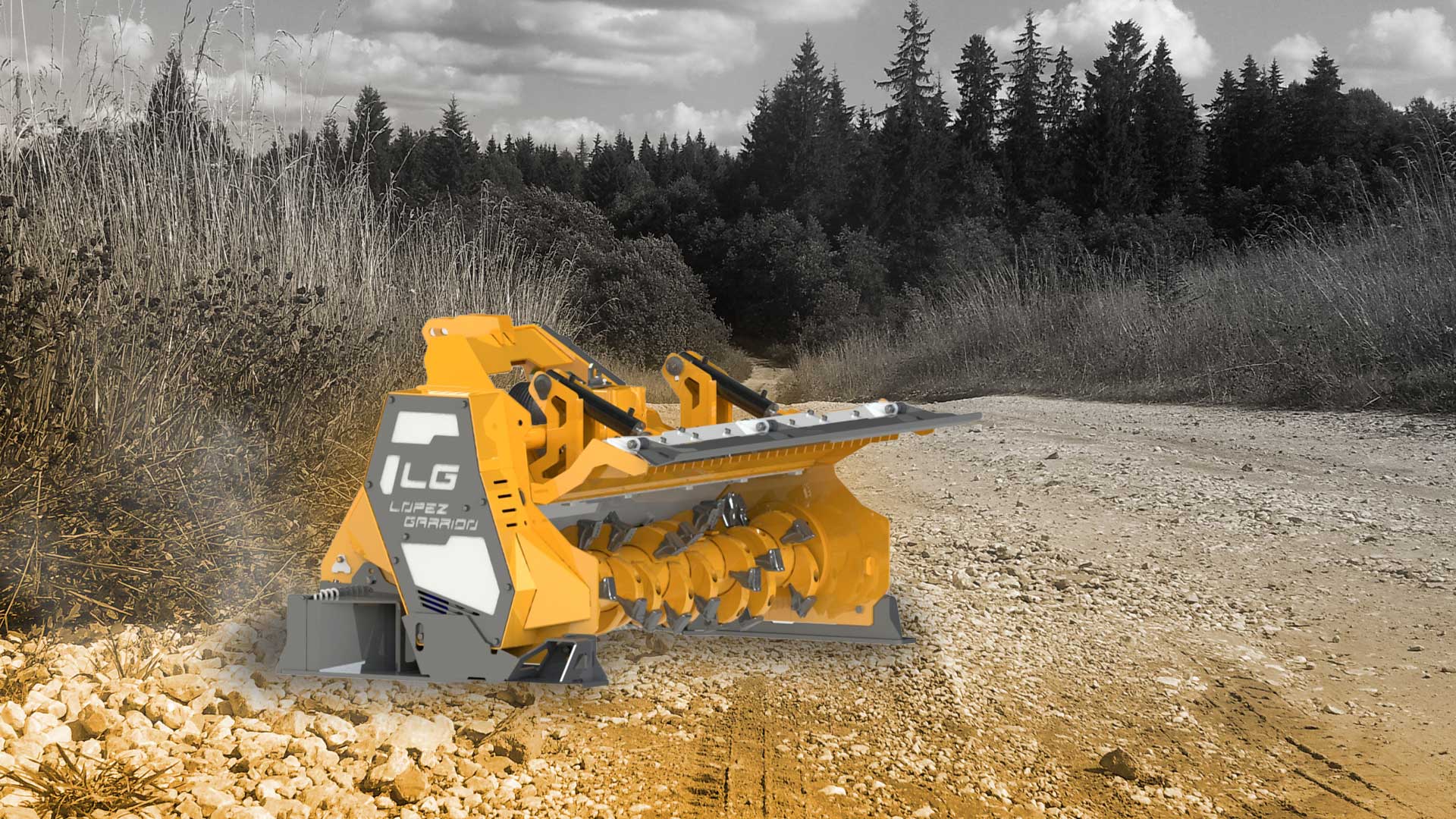
Agricultural Stone Crushers are specifically designed for demanding applications where rocks are part of the terrain being worked. On farms with rocky soils or in mountainous areas, these machines ensure efficient crushing of stones and mixed vegetation that conventional mulchers cannot handle with the same reliability. Their reinforced structure and high-strength components deliver consistent performance even under extremely demanding working conditions, reducing operating time and optimizing tractor fuel consumption.
In addition to their robust construction, these stone crushers offer superior durability and a longer service life for professionals who require efficient results throughout every working day. They are particularly useful for land preparation, pasture renovation, and maintaining properties with a constant presence of large rocks.
What Features Define High-Performance Agricultural Stone Crushers?
Heavy-Duty Design and High-Strength Components
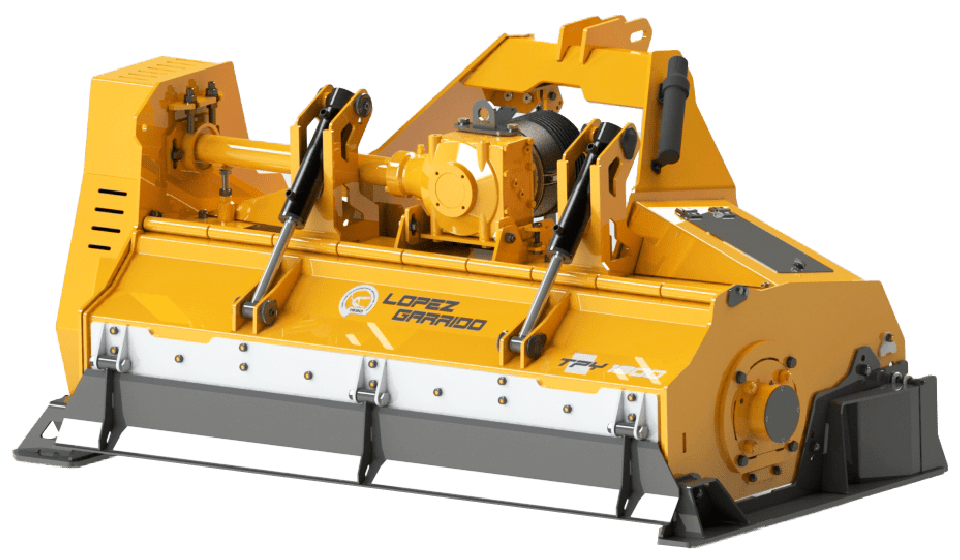
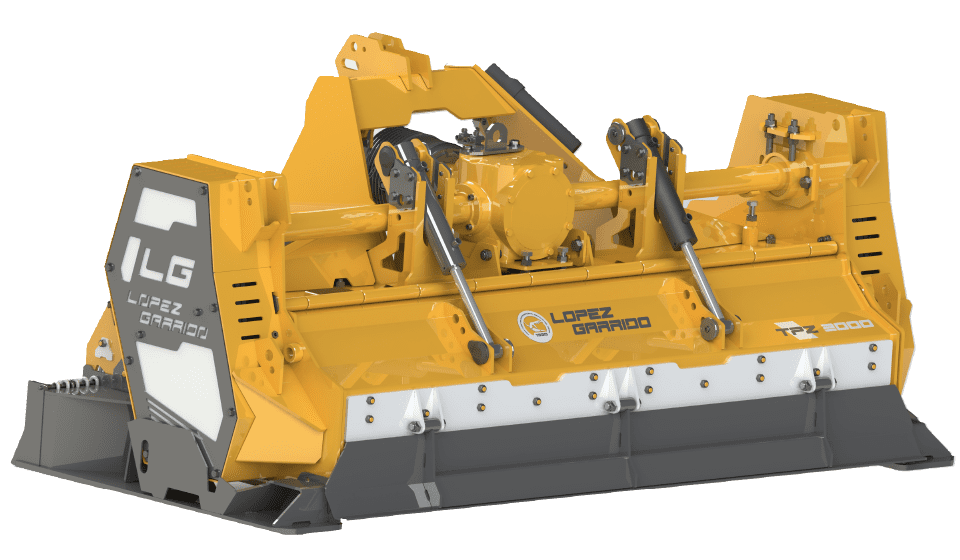
Agricultural Stone Crushers feature chassis made from high-strength steel and large-diameter rotors capable of withstanding continuous impacts from hard materials, including stones up to 20 cm in diameter. They also incorporate adjustable counter-blades, double tungsten carbide hammers, and hydraulic rear doors that facilitate material handling and control the discharge of crushed material.
These features not only ensure efficient stone crushing but also simplify maintenance and provide reliable compatibility with the standard hydraulic systems of most medium- and high-horsepower agricultural tractors, offering versatility across different farming applications.
Compatibility with Tractors of Different Power Ratings
Given their intensive use, these stone crushers are designed to be easily attached to medium- and high-horsepower tractors (typically ranging from 70 to 160 HP, depending on the configuration). In addition, adjustable skids and wheels allow operators to adapt the working height and speed according to the density of stones being processed, optimizing crushing efficiency with every pass.
This adaptability ensures efficient operation on both flat and sloping terrain without compromising performance or the quality of the finished work.
Comparison of López Garrido Agricultural Stone Crushers
Model |
Working Width |
Tractor Power (HP) |
Maximum Stone Diameter |
Approx. Weight |
RPM / Transmission |
TPY Stone Crusher |
1,000 – 1,600 mm |
70 – 140 HP |
Up to 20 cm |
920 – 1,175 kg |
540 rpm / 6 XPB belts |
TPZ Stone Crusher (2000 / 2200) |
2,000 – 2,200 mm |
120 – 160 HP |
Up to 20 cm |
1,600 – 1,780 kg |
1,000 rpm / 6+6 XPB belts |
Benefits of Using Agricultural Stone Crushers on Your Farm
Efficiency in Land Preparation and Renovation
Using specialized stone crushers not only allows large rocks to be processed but also improves soil conditions for subsequent planting by removing obstacles and breaking down hard materials that would otherwise slow down agricultural operations.
This results in a more uniform and productive surface, providing better conditions for establishing new crops or pastures, particularly on dryland farms or in areas with uneven terrain.
Optimizing Costs and Working Time
The ability to quickly crush stones and mixed debris significantly reduces working hours, tractor fuel consumption, and overall equipment wear, resulting in more cost-effective operations over the long term.
Investing in this type of machinery helps minimize downtime associated with land maintenance and enables more efficient, well-planned operations throughout the agricultural year.
Frequently Asked Questions About Agricultural Stone Crushers
Before investing in an agricultural stone crusher, it is common to have questions about its operation, tractor compatibility, or maintenance requirements. Below, we answer the most frequently asked questions to help you make an informed decision.
What Is the Difference Between a Conventional Agricultural Mulcher and a Stone Crusher?
The main difference lies in the robustness of their design and materials. Agricultural stone crushers are built with reinforced chassis, high-inertia rotors, and specialized hammers capable of crushing large rocks, something conventional mulchers cannot handle without risking structural damage.
What Is the Minimum Tractor Power Required to Operate a Stone Crusher?
It depends on the model, but most agricultural stone crushers require between 70 and 160 HP. For demanding applications involving large stones, a tractor with at least 120 HP and a 1,000 rpm PTO is recommended, especially for working widths exceeding 2 meters.
What Maintenance Do These Stone Crushers Require to Extend Their Service Life?
Maintenance is essential to ensure long-term durability. Regular inspections of belts, hammers, and bearings are recommended, along with daily lubrication of the points specified by the manufacturer. It is also important to adjust the counter-blades and monitor rotor wear after each intensive working season.